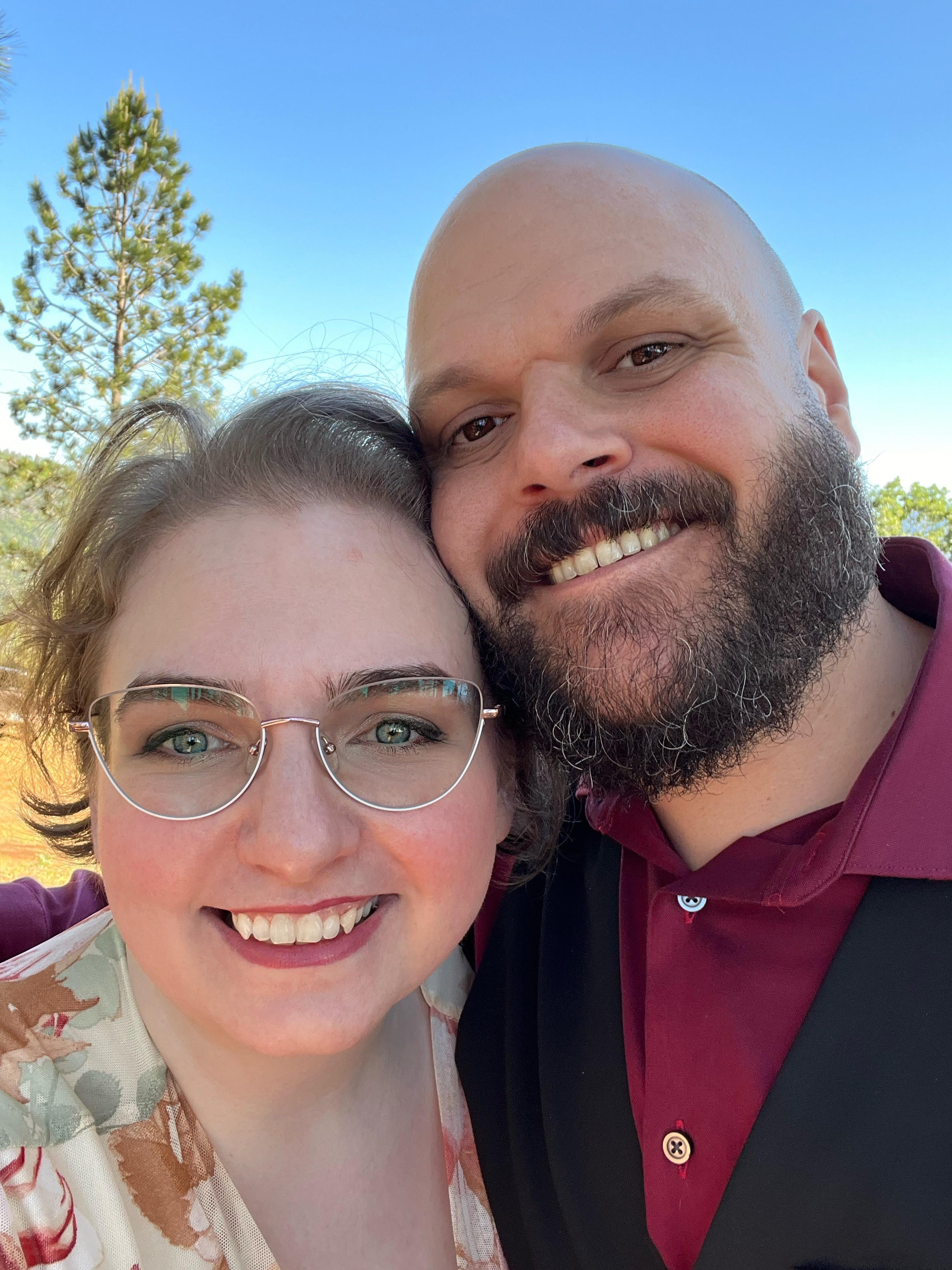
I've walked a long road in thirty years, and I'm tired, but I've still got mountains to climb. Luckily, I don't climb alone. I climb with others, and we raise each other up.
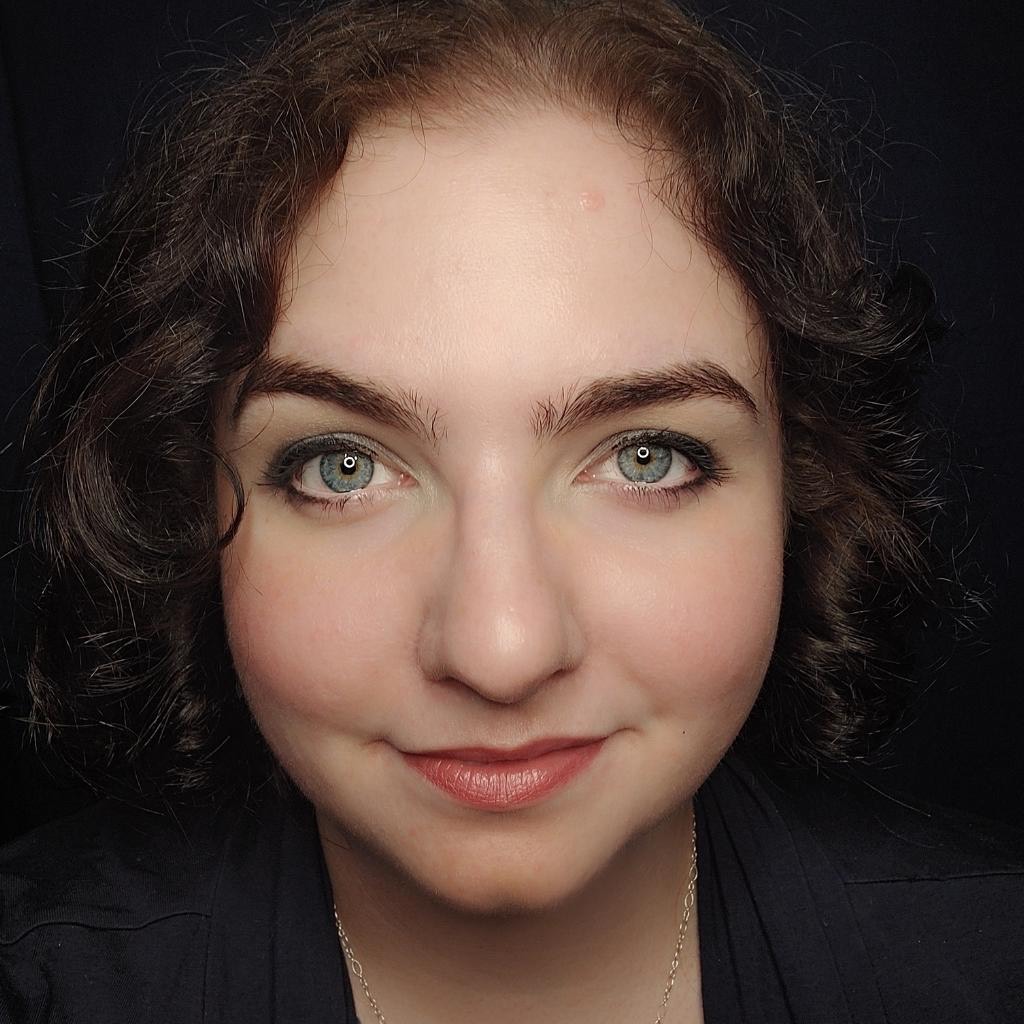
My name is Kathleen, but please call me Kate. It's easier on the Starbucks cup, and I'm sick of hearing "Katelynn" called out at the doctor's office and wondering if it's me. On the phone, some people even think I'm saying "Eileen". Plus, I never felt like a Kathleen. So Kate is better all around.
I grew up in the flat part of corn-proud Ohio, where I attended Bowling Green State University from age sixteen, before I went on to the University of Michigan. Like many others suffering from "gifted kid burnout" today, I was undiagnosed neurodivergent; I have autism and ADHD. My academic interests were wide and varied, but now I understand they all involved how I quite literally see systems, patterns, and data. I dipped into architecture and drafting, languages and linguistics, marketing and business, anthropology and sociology, and forensic science. But my overall passion was literary analysis and criticism.
But even in the midst of my gossamer, golden age of learning, it was all crumbling apart. I had always struggled with chronic pain and a strange constellation of symptoms my family either blamed me for or told me was normal. I had also always struggled with depression and anxiety, along with an ever-present sadness that I was in some way different than everyone around me. I was socially awkward and eclectic, but instead of teaching me to be proud of myself I was berated for not being "normal".
Eventually, after I nearly hurt myself, I had to leave school and I continued numbly for a few years, consumed by shame. During this time, I was able to deconstruct, at least cognitively, from Christianity and found my home in Judaism. When I sought out a synagogue for conversion in my early twenties, it changed the direction of my life and quite possibly saved it. The rabbi happened to also be a social worker and she immediately referred me to Jewish Family Services, where I recieved therapy and psychiatry services for the first time in my life.
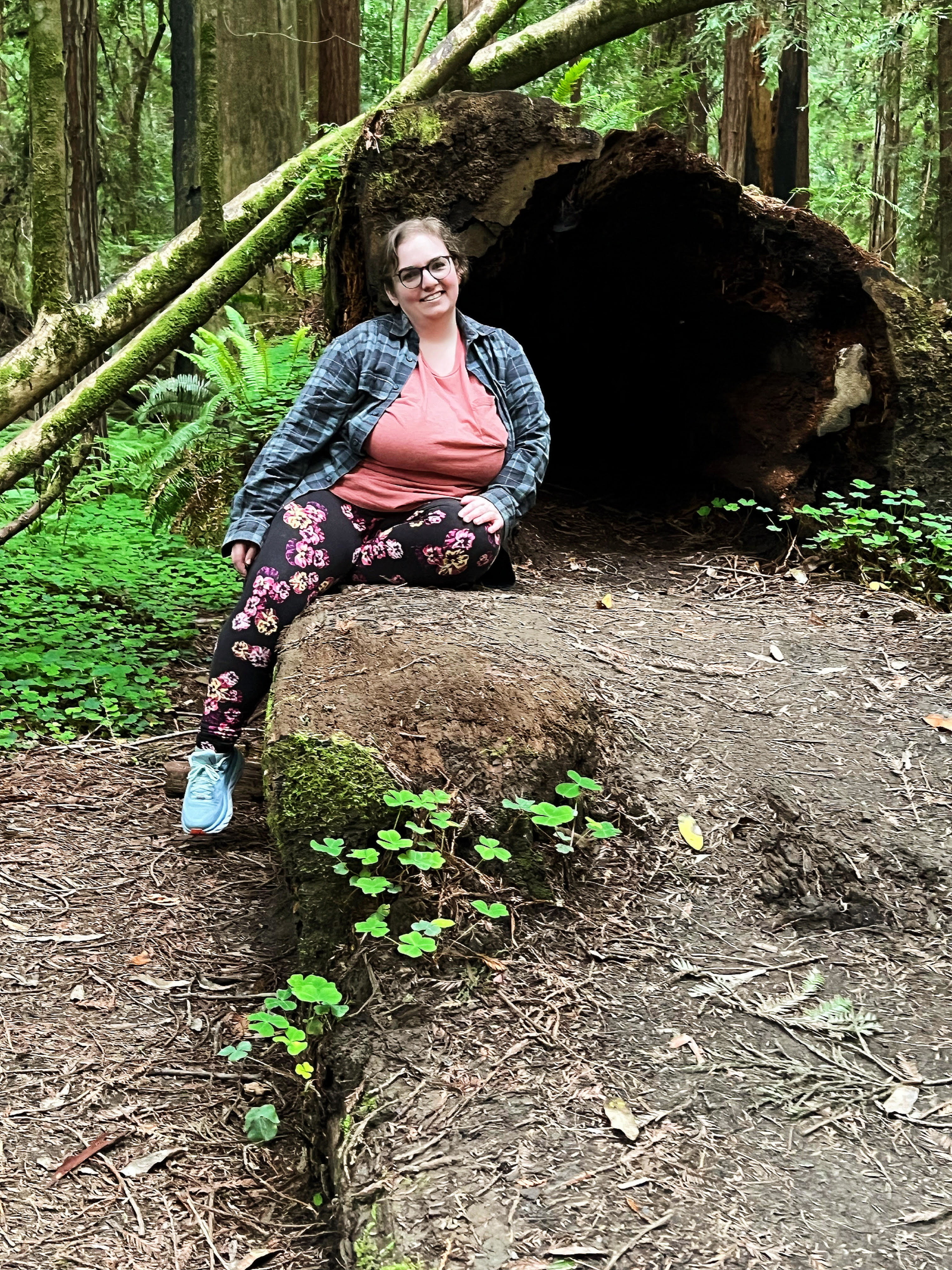
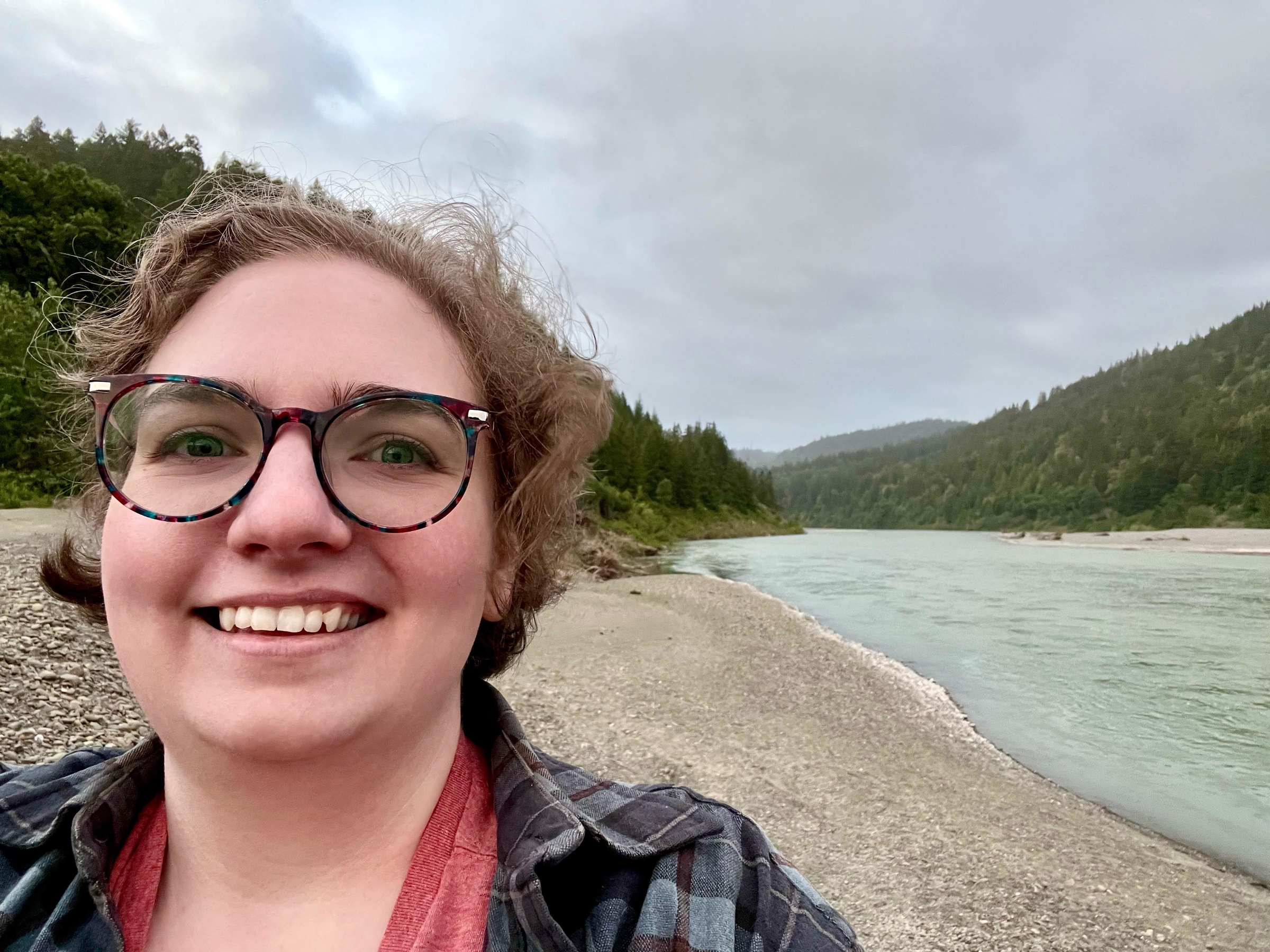
It's been eight years since then, and my life has taken some incredible twists and turns. I'm at a place where I can see a good bit of the stunning vista I am aiming for, but the road to the top is still long before me. I live in California now, in a sleepy little mountain community near Tahoe, where I get sunburnt in the winter despite my best efforts. After failing out of CBT repeatedly, I was eventually diagnosed with a trauma disorder and underwent intensive trauma therapy using the Internal Family Systems (IFS) method and brainspotting. I no longer qualify for a trauma disorder diagnosis and I'm happier than I ever thought was possible. I also got some medical answers, with preliminary hypermobile Ehlers-Danlos syndrome (hEDS) and Mast Cell Activation Syndrome (MCAS) diagnoses.
Ultimately, even though I ended up with a wonderful psychiatric and medical team, I was the one who had to find and fight for everything I needed. I applied my love of research and data directly to my life. Along the way, I saw others who had been failed so terribly by the medical and mental health system that I could not leave behind. And so I went to work in mental health, becoming certified as a peer support. I would go on to work in addiction, but I was compelled to return to the compassion-driven peer model of mental health. Now I also work as a trauma trainer, focusing on teaching desperately-needed trauma-informed practices along with understanding into the complex relationship between addiction, homelessness, and trauma.
As I moved through my healing, I provided administrative support to all sizes of businesses, ranging from small mom-and-pop shops to large multi-state corporations. I found I was happiest supporting small businesses and non-profits. I've done inventory and research for antiques stores, marketing and public relations for entertainment companies, event photography, and data entry and analysis for public schools, amongst other roles. Peer support also provides excellent cross-training in customer service. To me, administrative support is simply an extension of peer support, just in that I'm supporting a whole business instead of an individual.
Additionally, I'm always involved in projects on the side, and I hope this site will become a hub for that. I still write, both fiction and non-fiction. I currently am studying the relationship between authoritarianism and what we call "the patriarchy", which I believe to be a very old trauma still playing out today and affecting everyone regardless of gender. I'm also reviewing Freud's original works on hysteria as trauma. When I have the time and energy, I also do abandoned architecture photography. And I'm hoping to put all of this and more into a podcast.
A lot of my reading and research can be done from my bed, with ice packs if necessary. EDS is a progressive genetic condition involving faulty collagen production causing chronic pain and partial joint dislocations, amongst other symptoms. Due to the limits of what my body can actually take, I have to be conscious of my workload and maintain flexibility within it. This makes traditional work schedules difficult and ultimately led to my decision last year to become an independent contractor. It's provided me with a lot of opportunities and individual growth.
If you're interested in support, send a carrier pigeon through the website and I will get back to you as soon as I can.
Much love and happy healing, because we're all healing from something.